Trail Notes from the Clearing
Tending the first garden beds, tracking down solar shade, and learning to lean a little less on the grid this season.
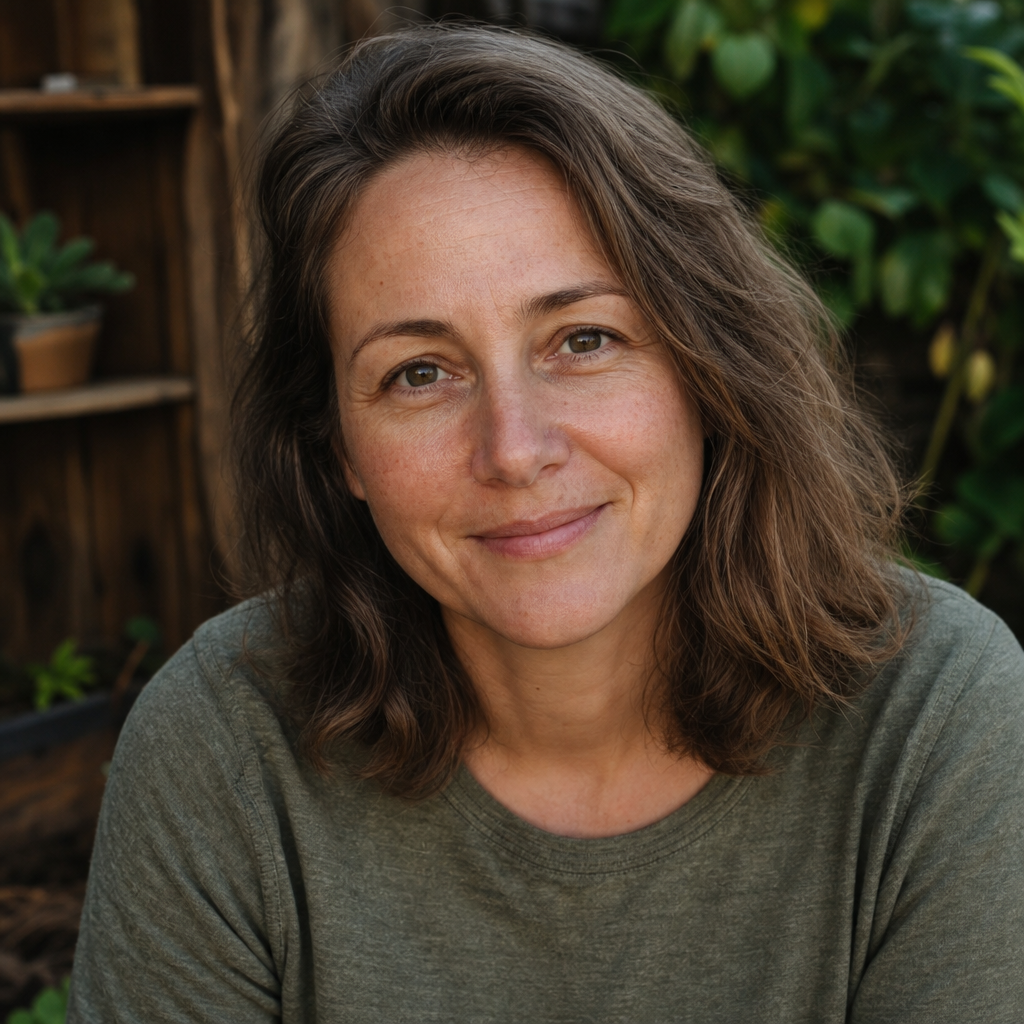
We are finally putting Solar & Spruce online in late July. We did not wait until we had the clearing figured out. If anything, writing things down as we go has already saved us a season of repeating the same expensive mistakes.
This site is our public notebook. We will post guides when we have something practical to walk through, and use these updates to share what we are doing, what broke, and what we are trying again.
From an HOA to the spruce line
Neither Peter nor I grew up on a homestead. We moved out here because we wanted a quieter life closer to the trees, surrounded by spruce and birch. We wanted a real cabin with room to work, and enough land that mistakes could happen without a homeowner association weighing in on the color of our woodpile.
Moving here rearranged how we think about a normal day. Back in the suburbs, utility water and power were invisible things that worked unless a storm came through. Here, every bucket of water and every watt-hour has a direct connection to how we spend our afternoon. It took some adjusting, but that connection is exactly why we wanted to be out here in the first place.
The price of cabin tuition
We learned most of what we know the hard way. There were blown fuses on cold evenings and a water line that froze solid on a morning when I really needed coffee. My early gardens looked incredibly ambitious in May and completely apologetic by the middle of August.
None of those errors made us experts. They just made us people who write down what happened so the next season does not cost quite as much tuition. When friends visit and ask where to start, we usually point to the things that broke first. Those are the systems that actually teach you how your property works.
Tending the late-July garden
I have been in the garden beds most evenings, checking on the tomatoes, greens, and basil. In our first couple of seasons up here, I overplanted because everything looked so promising under the starting lights. This summer, we stayed smaller and more honest about how much water and time we actually had to give.
Up here, the land teaches you about sun angles, deer paths, and dry soil much faster than a gardening book can. Keeping the beds compact means I can actually deep-water the roots instead of just sprinkling the surface and hoping for the best. That small shift has already turned our late-summer harvest from a stressful chore into a quiet daily victory.
Sizing the power instead of guessing
While I am in the dirt, Peter has been working on the systems. He put solar on the roof and built a ground array we can actually reach to clear snow later in the year.
We are still hooked up to the grid, and we are honest about that. Having utility power as a backup lets us practice using less without turning a simple cloudy week into a household crisis. Solar is how we learn what our cabin actually draws, measuring our habits instead of guessing. We want to build our self-sufficiency step by step, focusing on real capability rather than trying to pass an off-grid purity test.
What’s next
As late summer turns toward fall, the property gets honest with us. Peter wants our power habits tighter before the days shorten, which means tracking our real usage in a notebook. I want to get our water systems and winter prep further along than they were last year, even if that just means fewer frozen mornings.
We are not leaving the grid this winter, but we are going to keep pushing. If you want a broader look at how we approach cabin life, What Self-Sufficient Living Actually Looks Like covers the day-to-day basics that helped us get our footing.